•
The Image of the City. Kevin Lynch, Harvard-MIT Joint Center for Urban Studies, © 1960
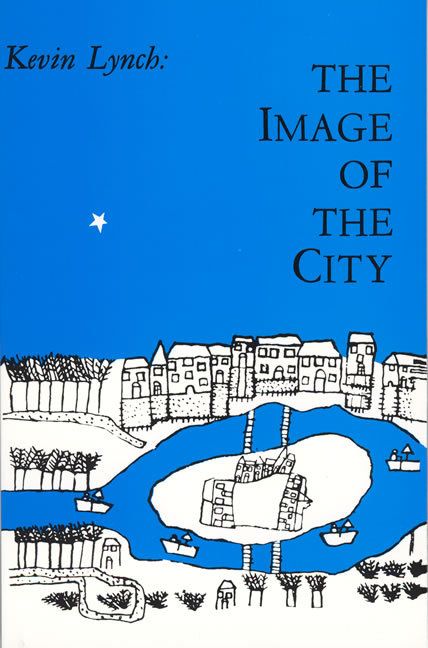
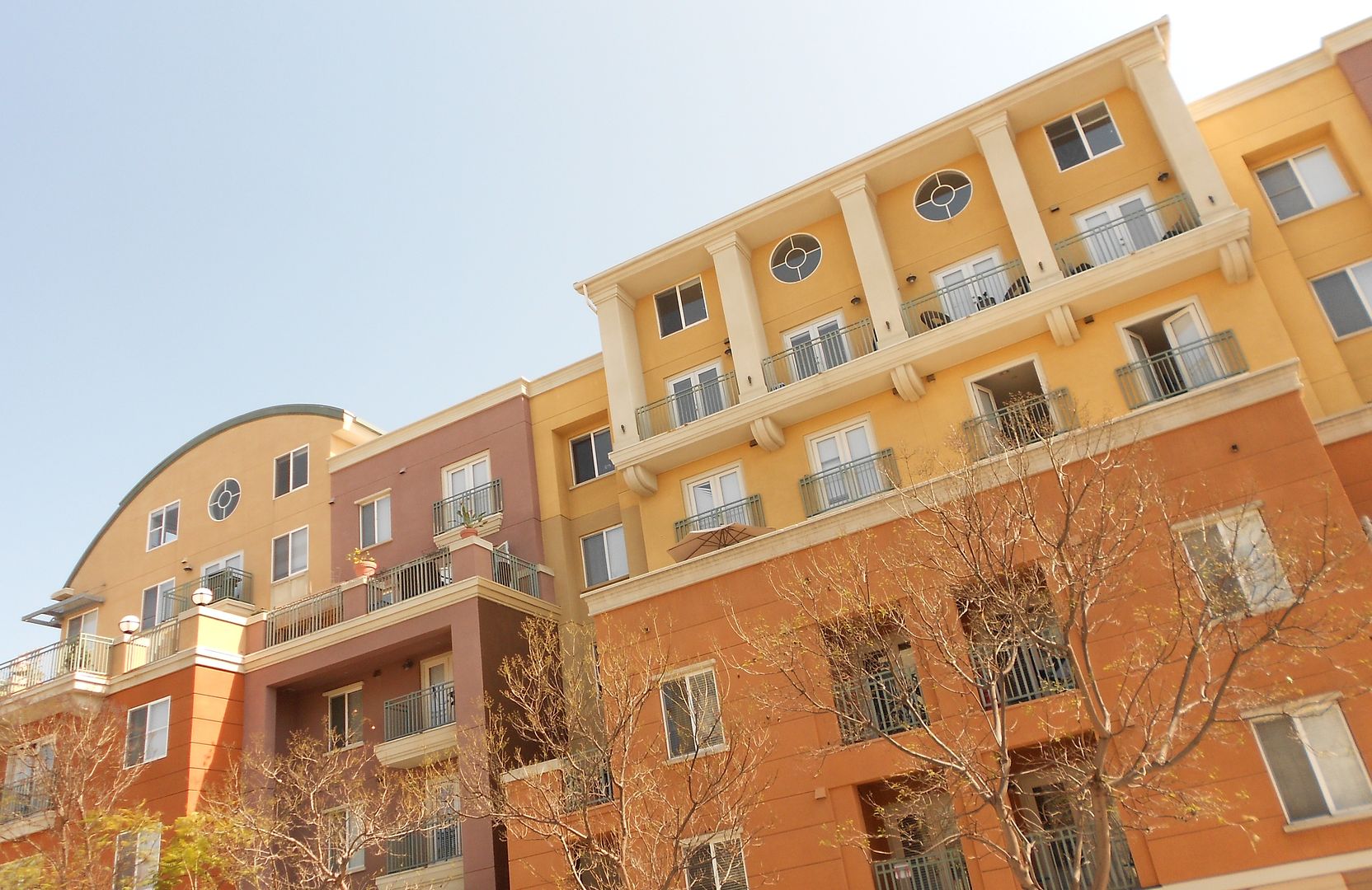
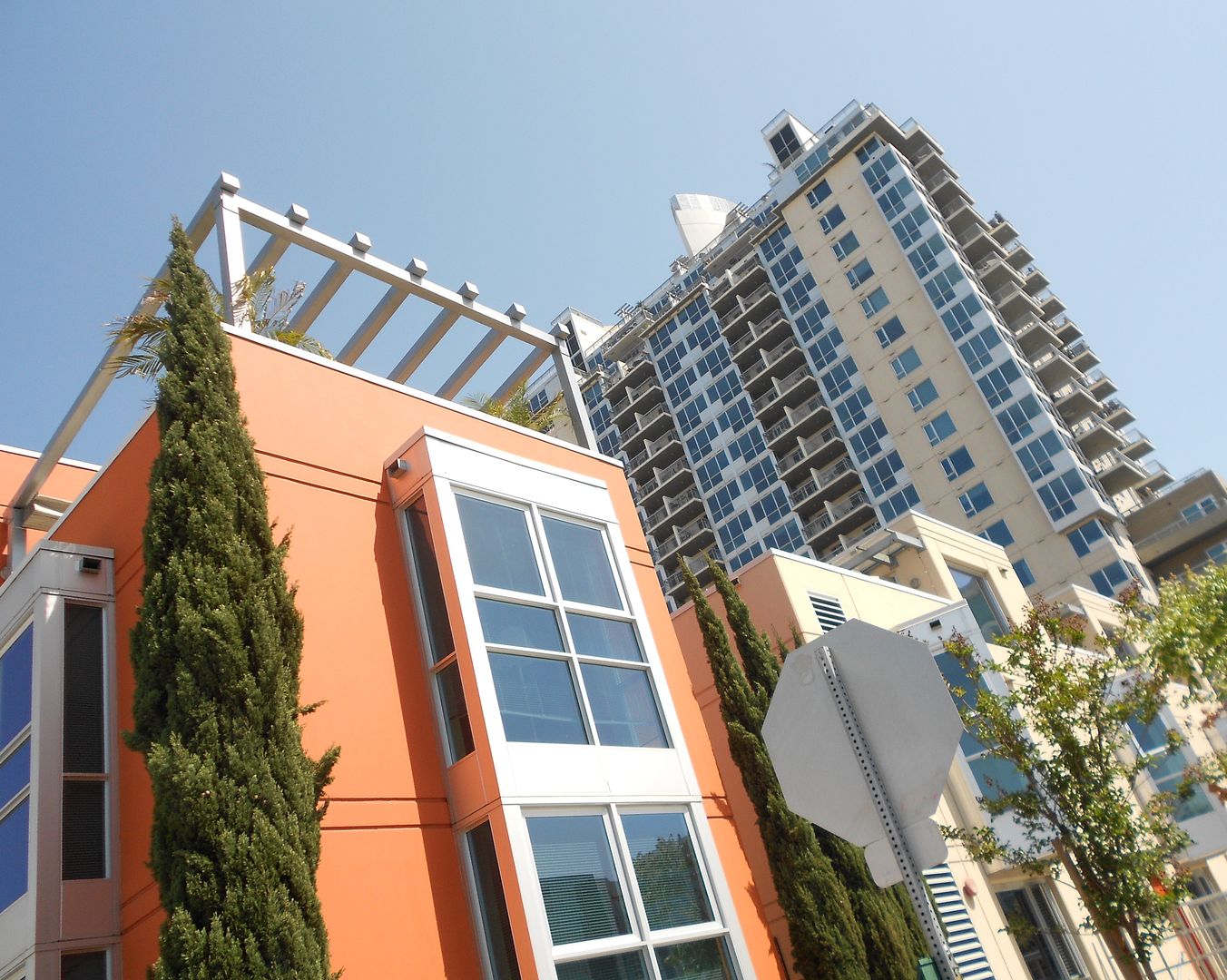
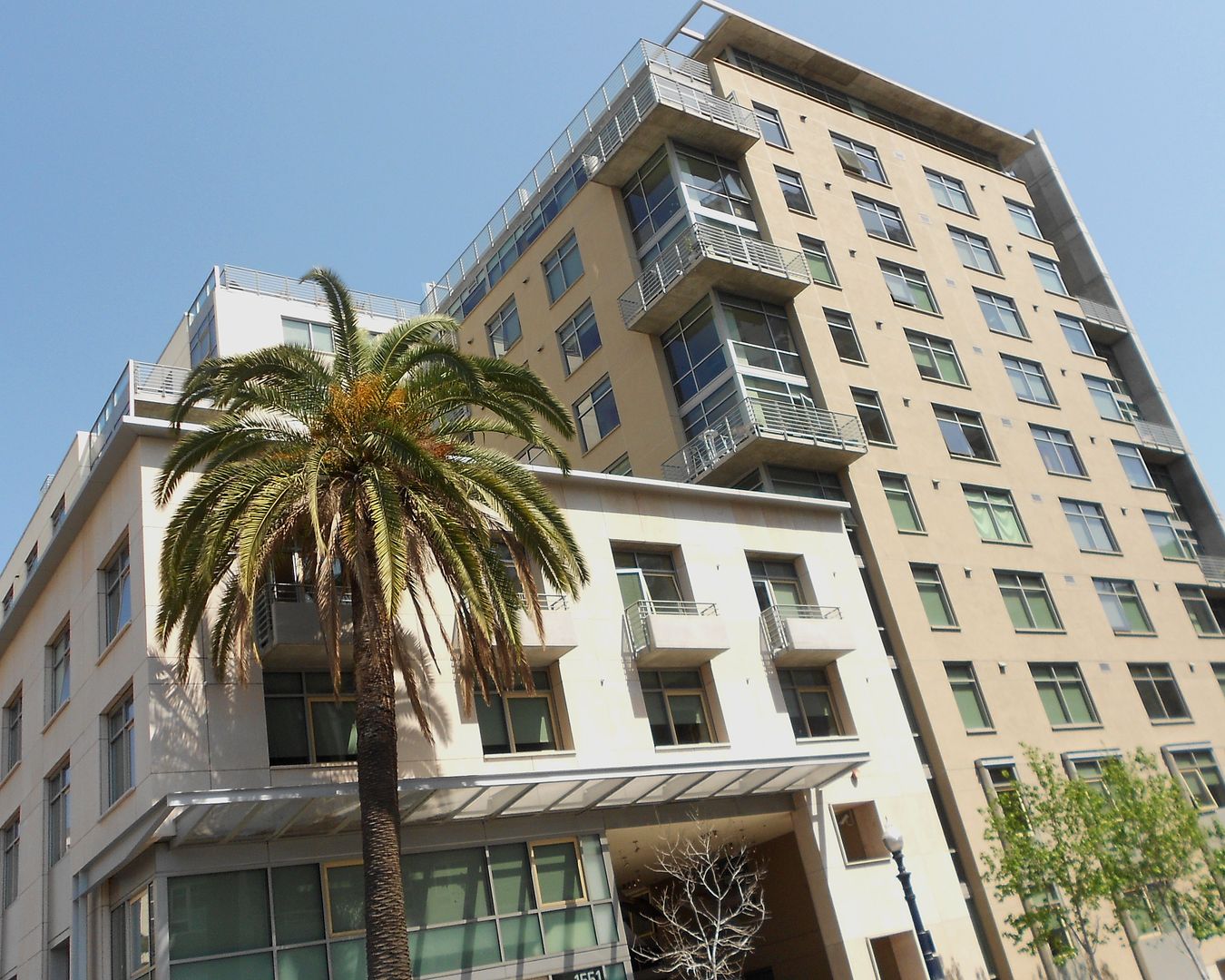
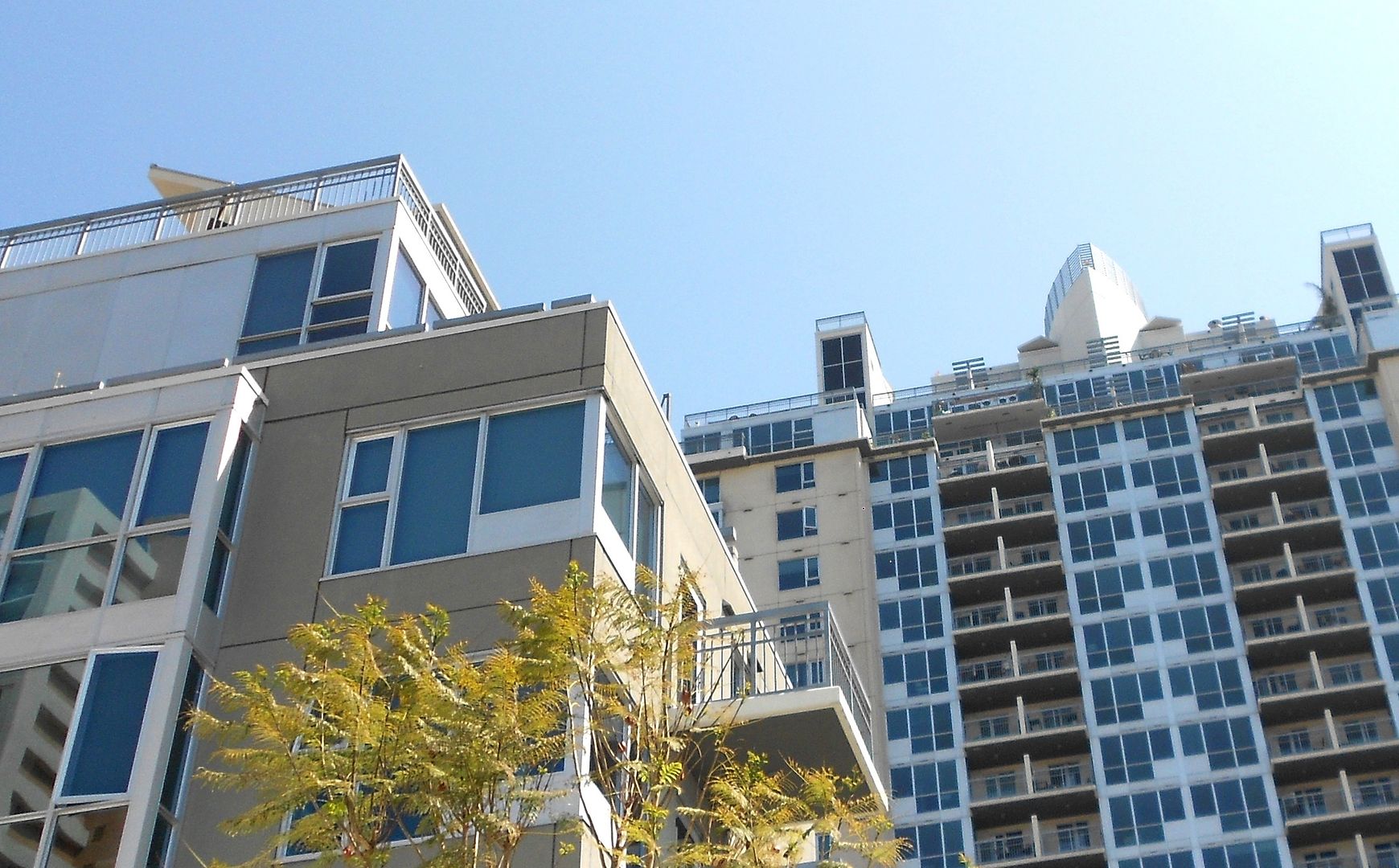
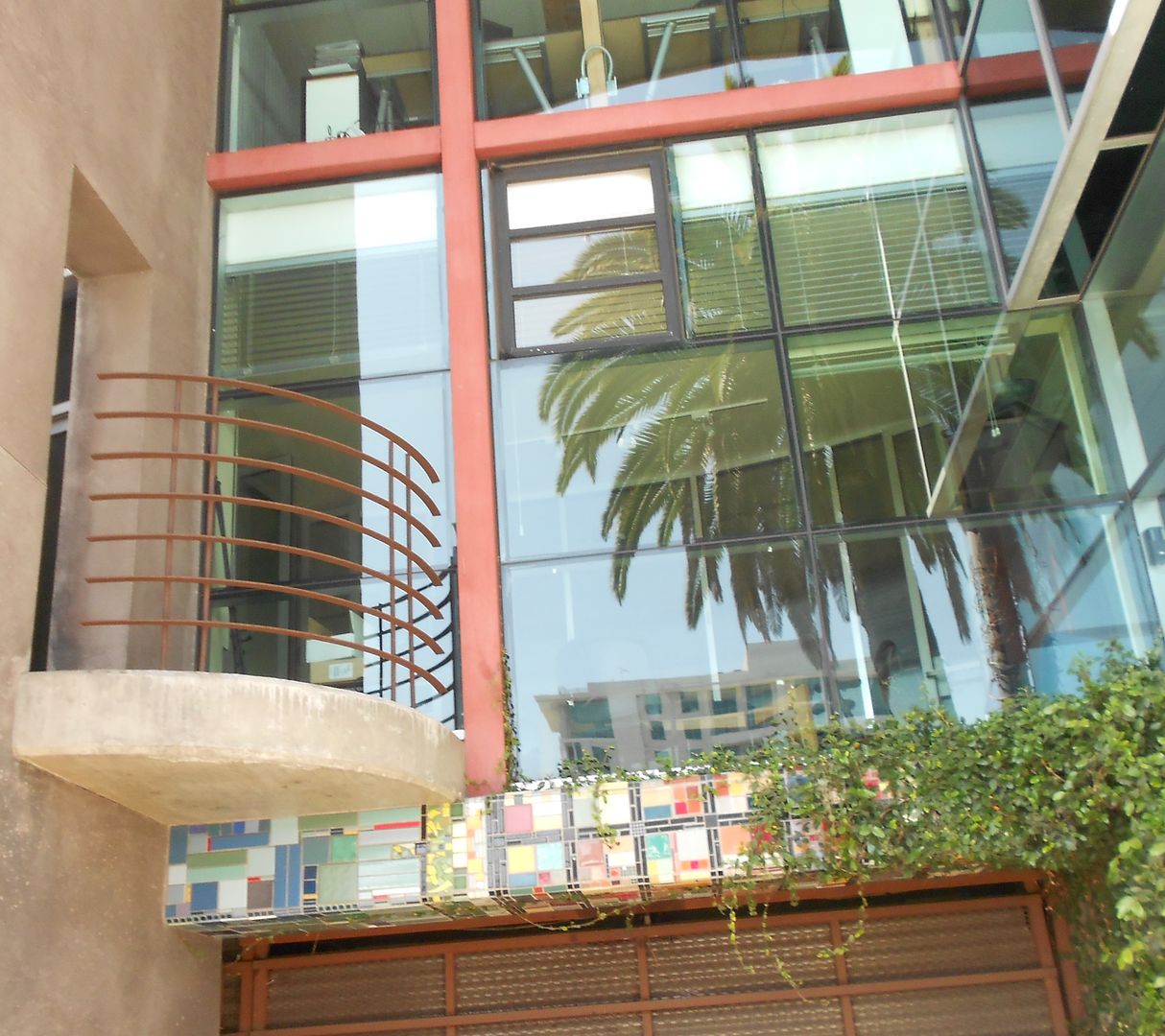
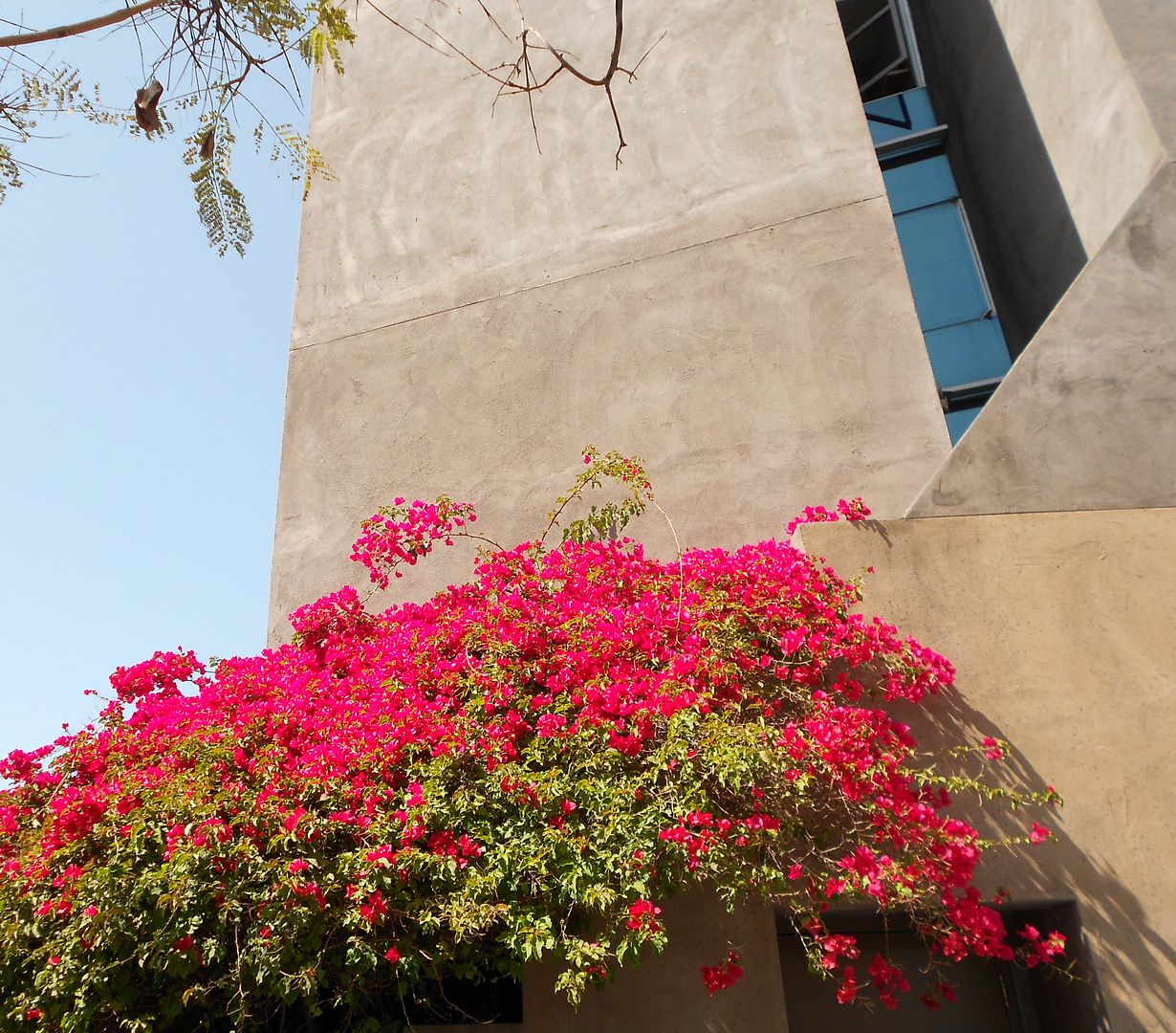
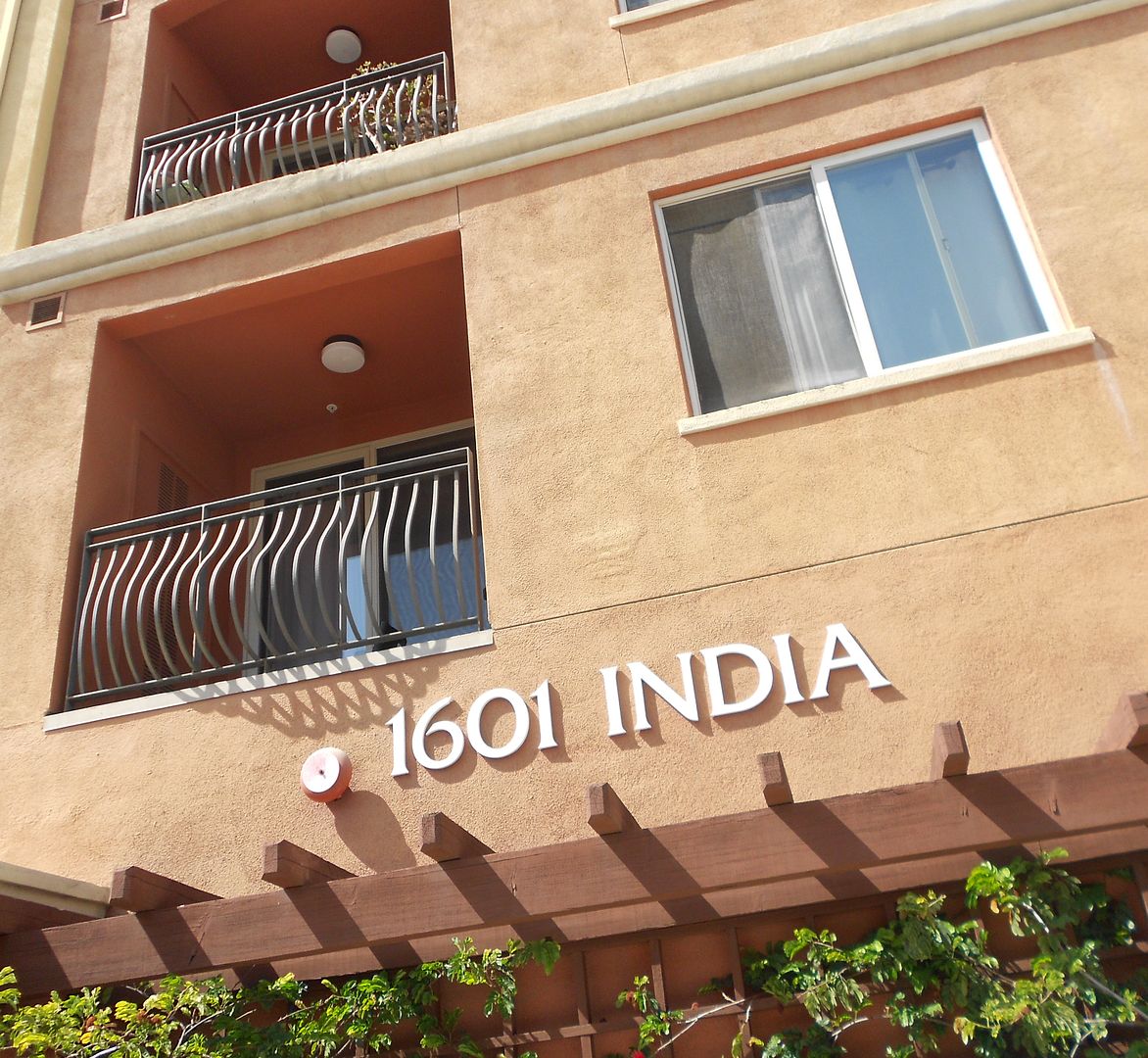
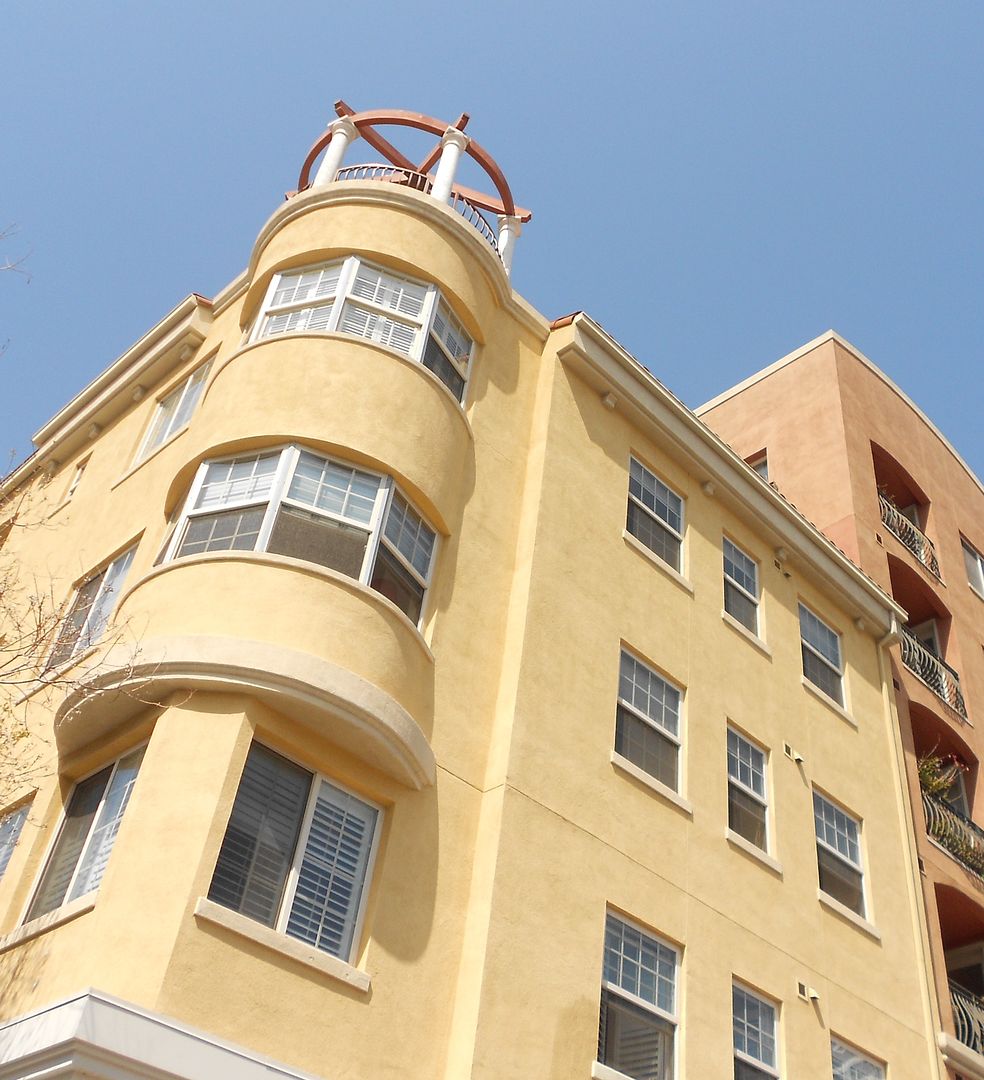
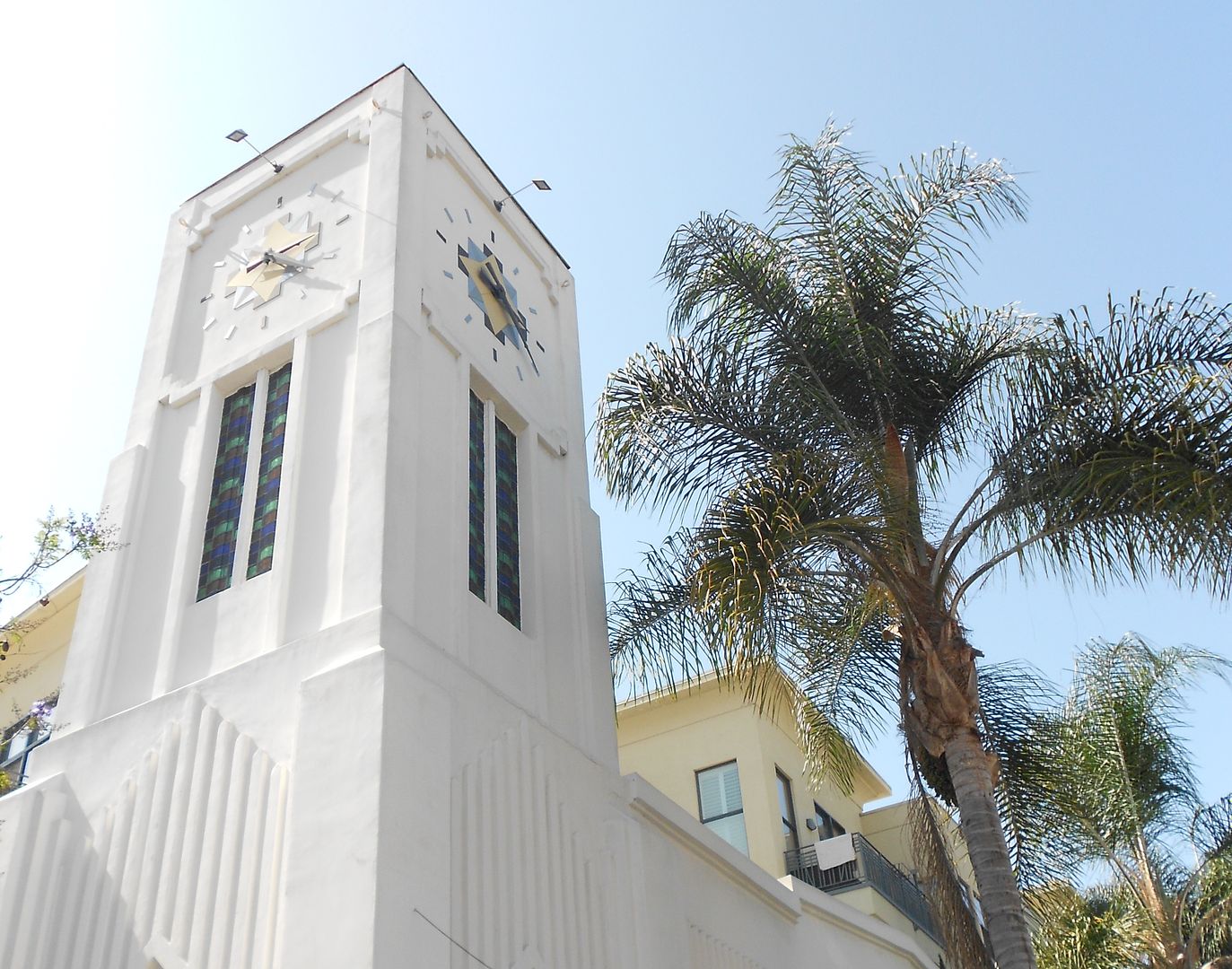
The Legible City—a city you can read! As an iconographer writes rather than draws or paints an icon, a city comprised of colors, shapes, motion, and light can be viewed, read, and interpreted as an environmental image. The picture includes identity (what is it?), structure (space, shape, pattern relation and discrimination), and meaning (emotional, psychological, historical values) from the observer's own experiences. Each image derives from here and now; the city "image also is soaked in memories and meanings." [page 1] And, of course, there's not a single public image of any city, but a series of overlapping and interrelated ones.
From author Kevin Lynch: "This book is about the look of cities, and whether this look is of any importance, and whether it can be changed." This book is "a first word not a last word…" it's "at once tentative and presumptuous." The research method consisted of relatively objective systemic field reconnaissance and relatively subjective interviews with a small sample of mostly professional and managerial city residents. Citizens interviewed in Chapter 2, "Three cities," were exceedingly small samples: 30 in Boston, 15 each in Jersey City and Los Angeles, so these are not necessarily commonly held public images of those cities.
Kevin Lynch and his colleague Gyorgy Kepes researched and wrote this book during the 1950s; since then we've moved from Metropolitan Statistical Areas to a string of Megalopoleis (I found 3 possibilities for the plural of
megalopolis and chose this one). At least two Boston features in the book no longer exist: Scollay Square, superseded by Government Center that includes City Hall of still controversial love it or hate it (I adore it) architectural design, and the Central Artery, replaced by the most expensive public works project in history:
The Big Dig. But you will find physical structures of paths, edges, nodes, districts, and landmarks in any human population center larger than a village, so they're not necessarily an urban distinctive. "Districts are structured with nodes, defined by edges, penetrated by paths, and sprinkled with landmarks." [pages 48-49]
The five chapters include:
• The Images of the Environment
• Three Cities—Boston, Jersey City, Los Angeles. In each case, studies came from a small central area of 2.5 x 1.5 miles.
• The City Image and Its Elements
• City Form
• A New Scale
Appendices are sufficient to make another short book:
• Some References to Orientation
• The Use of the Method
• Two Examples of Analysis [Beacon Hill and (the late) Scollay Square, Boston]. There's also a bibliography and index. Margins throughout the book include many many line drawings and there are quite a few Black and White photographs.
In terms of future cities
The Image of the City might influence, "We have an opportunity of forming our new city world into an imageable landscape: visible, coherent, and clear." By definition a city is multi-purpose with mixed functions yet with "fundamental functions of which the city forms may be expressive: circulation, major land-uses, key focal points. [pages 9-92] The common hopes and pleasures, the sense of community may be made flesh. Above all, if the environment is visibly organized and sharply identified… it will become a true
place, remarkable and unmistakable."
As a handbook about present and about possibilities, "what we seek is not a final but an open-ended order, capable of continuous further developments" [page 8]
The Image of the City "is about the look of cities, and whether this look is of any importance, and whether it can be changed," but appearance is an immeasurably critical part of the infrastructure that supports all the activities of the urban enterprise, the work, play, school, and home lives of the city's citizens. A city's physical appearance and the emotional responses that arise from it can be
the reason someone wants to move there or
the reason they long to leave. "The map, whether exact or not, must be good enough to get one home." [page 9]
Close to the end Kevin Lynch reminds us of Susanne Langer and gives us her definition of architecture: "the total environment made visible." Remember Langer's
Philosophy in a New Key where she writes about our human need for symbols and our need to symbolize, to invent and invest meanings in objects, our environments, our activities, and our world?
These are shapes, spaces, and vistas that will – or won't – attract new artistic, educational, and commercial enterprises; no wonder this book is a classic! Kevin Lynch's prose is dryer than I'd prefer, but it is what it is, and if someone doesn't write like a poet, they don't. I'll give
The Image of the City a high recommend to read and to read again.
my amazon review:
the legible city

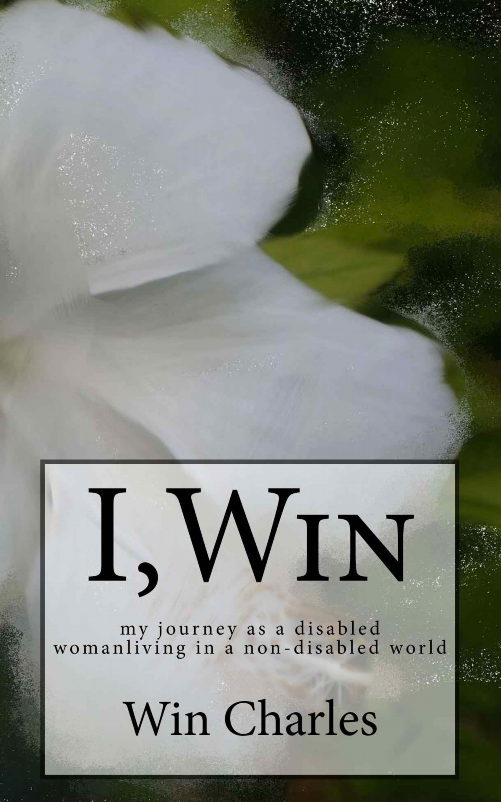 This short book of fewer than 100 pages offers a winsome overview of Win Kelly Charles' life and aspirations—so far. Because she was born prematurely at very low birth rate and as a result of other factors, Win has been living, struggling, and thriving with cerebral palsy all her life. Her parents' devotion, imagination and care of her from the beginning gave her the support she needed to begin and continue overcoming (conservatively) tremendous odds, and grow into a creative, productive adult artist, teacher, and entrepreneur. Being an Aspen, Colorado, native helped a lot, too!
  Each chapter moves quickly through details of an aspect of Win's life, including explanations of ways she adapts in order to accomplish different tasks. I was surprised at how involved she has been in sports like skiing and mountain climbing, but as she pointed out, everyone has challenges, gifts, limitations, and assets. I'm looking forward to reading the next installment of Win's life journey! A "thank you" to the author for offering the free Kindle edition.
  The ingredients panel on good earth Herb Crusted Chicken with mushroom risotto identified only the herb parsley, but I'd guess maybe thyme, basil, bay, and/or oregano; 100% whole grain brown rice, white wine sauce, seasoned panko crumbs, and mushroom risotto seasoning came packed inside the box. I had to look up "panko," and discovered it's Japanese-style bread crumbs—made from bread without crusts. The recipe came together easily from the clear directions, and it looked exactly like the picture on the package! I needed to add only oil for sautéing, chicken parts, and milk; as usual, my milk was sour cream. Results yield very generous portions for serving 2, plenty for 4.

 This is the second of Caras' pair of books about most people's most familiar household companions, domestic felines and canines. For the title, the author picks up on the very very well-known phenomenal acuity and range of dogs' hearing. The book design is identical to that of A Cat Is Watching, and in this book also, I love the line drawings featuring snippets of dog anatomy for each chapter heading. Chapter 12 describes and lists members of each (at the time of writing and publication, 1992) American Kennel Club-recognized groups of dogs: Terrier; Non-Sporting; Herding; Sporting; Hound; and Working.

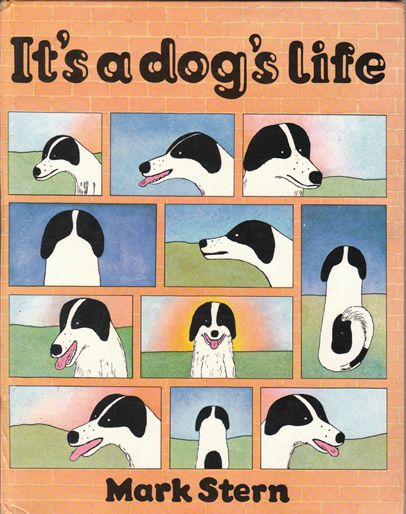 Quite a while ago I picked up this socialist dog's book and decided it needed a review and a blog. Mark Stern's illustrations are fresh and fabulous! Author Stern follows and narrates the experiences of Patch, a dog whose days progress from true happiness with his simple life in the hood to the production and marketing by someone else of a great idea he has dreamt of.
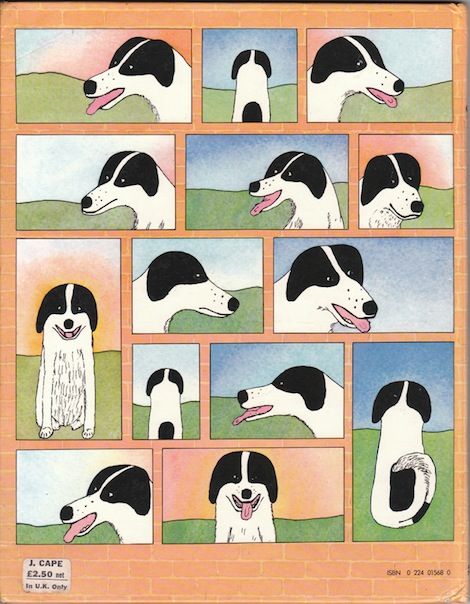 co-ops Patch's entire existence, along the way setting up himself and his expansively growing company in superfluous luxury—no surprise?! Eventually Patch escapes from being an enslaved cog – and worse – in the means of production and returns to "the true joys of life: fresh air, grass and trees," alongside his sweetheart Honey.
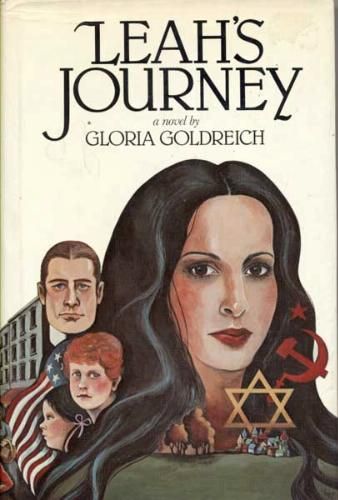 Gloria Goldreich has listened to her relatives and ancestors and also done a lot of historical research. From chapter 1, Leah's peregrinations take her from Russia, where her ancestors had moved to from Poland, to a New York City tenement, on to New York's affluent suburbs, then finally to Israel; as the story unfolds, she also visits the American South and makes a trip back to Russia to visit her aging parents. How interesting it is to observe how pieces of the past cling to present places and events and how Leah and her family consciously and sometimes not-so-intentionally shed parts of their pasts as they try out and embrace new ideas, new ways of living, and ways of being. At the start of the book it seemed to me the author had drawn the landscape and backdrop with far more clarity than she'd pictured the people, but as the chapters evolved and I kept reading, the characters became clearer and more alive to me. Possibly a combination of how the book was written and my greater familiarity with them as I turned pages?!
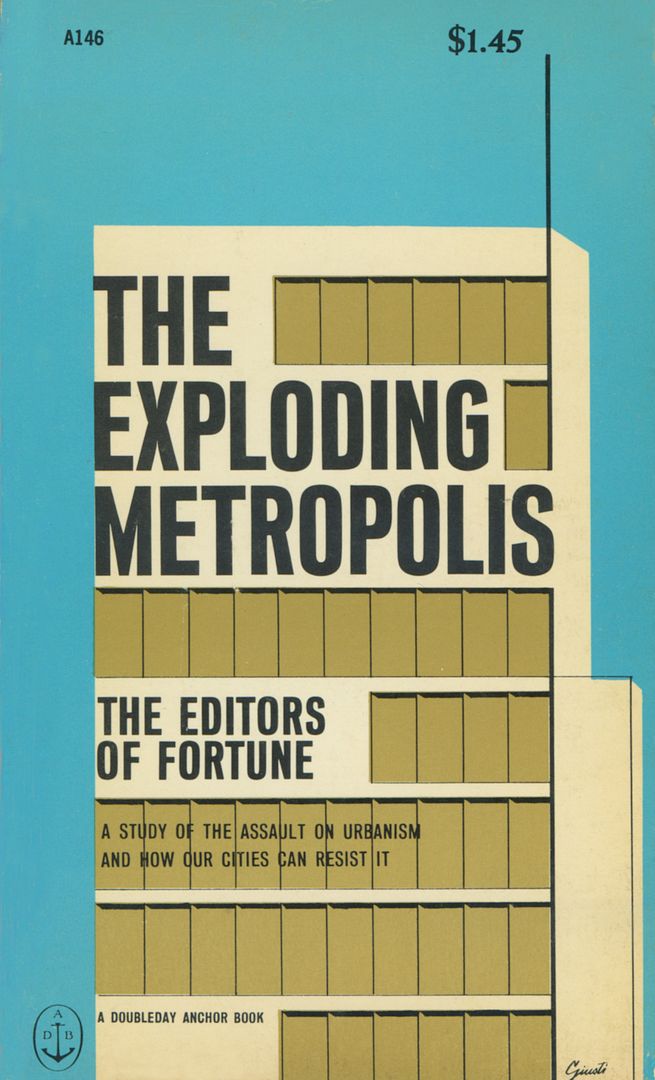 I'm blogging and reviewing the original © 1958 that has been in my library close to forever but I'm posting my review with the 1993 revision.
 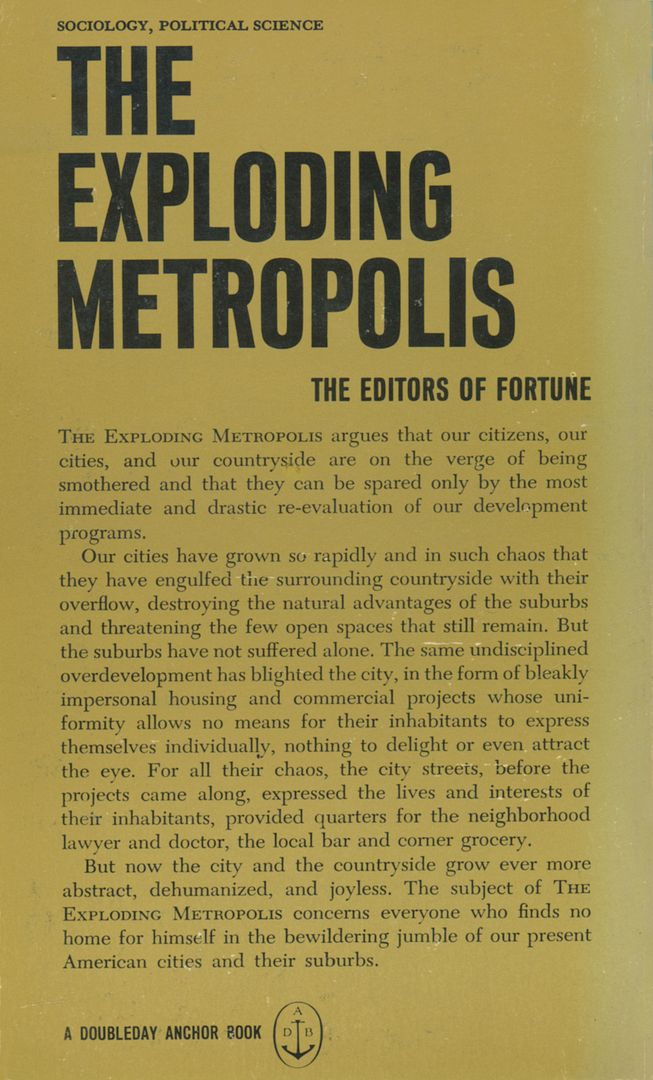 This book now is more than a half-century old, but ever since humans began moving from hunter-gathering into settlements, they've had to figure out the best relationships between living space and working space and the most convenient ways to get back and forth from one to the other; planning and implementing the most pleasing, amenable, visual layouts alongside the practical became close to essential.